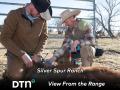

Robert Denlinger lies in bed at night and listens to the familiar barks outside. What he hears is a centuries-old security system at its best. His Great Pyrenees and Kuvasz work into the deep hours of night to protect his livestock and family against any four-legged—or even two-legged—intruders. "These dogs have an awful lot of brains," Denlinger says. "Stray dogs kill everything. Livestock guardian dogs have the brains to outsmart attackers."
It's a good thing these dogs are smart; in many parts of the country the predators seem to be winning. New studies show alarming numbers: 600,000 cattle, goats and sheep will be victims this year. Coyotes are killing 60% more sheep than they did a decade ago. Feral pigs are thriving, and they're relentless breeders; one female can have two litters of a dozen or more each year.
No wonder livestock guardian dogs are a part of the family and the daily routine for many livestock owners. Denlinger knows his dogs so well that he can tell you which dog is barking and what it is barking at from almost a mile away.
Livestock guardian dogs are born with a natural instinct to protect. Denlinger has dealt with foxes, coyotes, stray dog packs and even a bobcat looking to kill his sheep.
Livestock guardian dog breeds are fairly rare in the United States, so we've highlighted four that are among the most popular (on page 2).
These gorgeous dogs are so charming that you'd think they couldn't hurt a fly. But don't be fooled by their appearance. They will fight to the death in order to save their flock and family.
Just ask Denlinger. In explaining how protective his dogs are, he jokes, "People ask if I carry a gun. I tell them I carry a Kuvasz."
Tips for Buying a Guardian
REGISTER ON THE LIVESTOCK GUARDIAN DOG LISTSERV. Ask all the questions you want about specific breeds through this e-mail discussion group. Simply register at www.LGD.org.
BUY A DOG FROM A CERTIFIED, REPUTABLE BREEDER. Official club web sites (listed in our charts on page 2) feature links to certified breeder information, which is a good place to start looking.
BUY A DOG THAT COMES FROM GUARD DOG PARENTS. They're more likely to have the guardian instinct.
BUY AN ADULT DOG. If you currently have a problem with predators, go with an adult dog. These dogs are experienced and don't require the time puppies need for socialization.
REMEMBER THAT THESE DOGS ARE NOT PETS. Yes, they are beautiful and inviting, but they are born to guard. They are very independent and need their own space. This doesn't mean they won't be loving to you and your children, but they should be free to roam your property and trusted to guard with their own judgments.
REALIZE THAT THERE ARE VARIATIONS IN EVERY BREED. They are all independent, loyal, strong and intelligent dogs. But each individual dog will have its own unique qualities that set it apart from others. Some dogs, though born to livestock guardian dog parents, will not have the instinct to guard. Some will be more active, and others will be more aggressive. It all goes back to researching the breed and breeder.
See next page for popular livestock guardian dog breeds and web sites for official clubs and breeder information.
[PAGEBREAK]
| |
Size |
Weight |
Origin |
Qualities |
Great Pyrenees

clubs.akc.org
/gpca/gpca
club.html |
Males: 27 to 32 inches Females: 25 to 29 inches |
Males: Up to 125 pounds Females: Around 80 pounds |
Guardian of French nobility and working dog of shepherds on the French Pyrenees Mountains, the breed is believed to have migrated from central Asia or Siberia. General Lafayette brought the first Pyrenees to the U.S. in 1824. |
Committed to guarding both family and livestock, intelligent, independent, strong-willed but at the same time calm, patient and wise. Visitors are tolerated well, but the dogs are always on the watch for predators. |
Kuvasz

www.kuvasz.org |
Males: 28 to 30 inches Females: 26 to 28 inches |
Males: 100 to 115 pounds Females: 70 to 90 pounds |
Originating in Tibet, Kuvasz were hunting dogs for aristocrats. Moving away from the nobility, they eventually guarded commoners' sheep and cattle. The breed we see today is a smaller version from Hungary. |
Proud, self-assured and discerning, they are more active than Great Pyrenees and are very territorial with livestock and family. They are more aggressive toward strangers and are meticulous in keeping their property in order. |
Komondor

clubs.akc.org/kca |
Males: 271/2 to 30 inches Females: 251/2 inches and up |
Males: 100 pounds and up Females: 80 pounds and up |
Komondor are known as the "kings" of Hungarian guard dogs. They are the descendents of the Russian herdsman dog Ovcharka and still resemble the breed. |
Displaying imposing strength, dignity and courage, Komondor have a heavy coat of long, white cords. They are trained to guard alone without much command. Their loyalty and attention stay to their flock and family. |
Anatolian Shepherd

www.akc.org/
breeds/anatolian_
shepherd_dog |
Males: 29 inches and up Females: 27 inches and up |
Males: 110 to 150 pounds Females: 80 to 120 pounds |
Originating in Turkey, the breed was a shepherd's most trusted guardian of flocks of goats and sheep. Due to the harsh Turkish climates, they learned to naturally adapt and survive in nomadic areas. |
Agile, possessing powerful endurance and remaining calm until challenged, they are not very outgoing and like to dominate all situations. They will bond with people and animals seen regularly, but are extremely aggressive. |